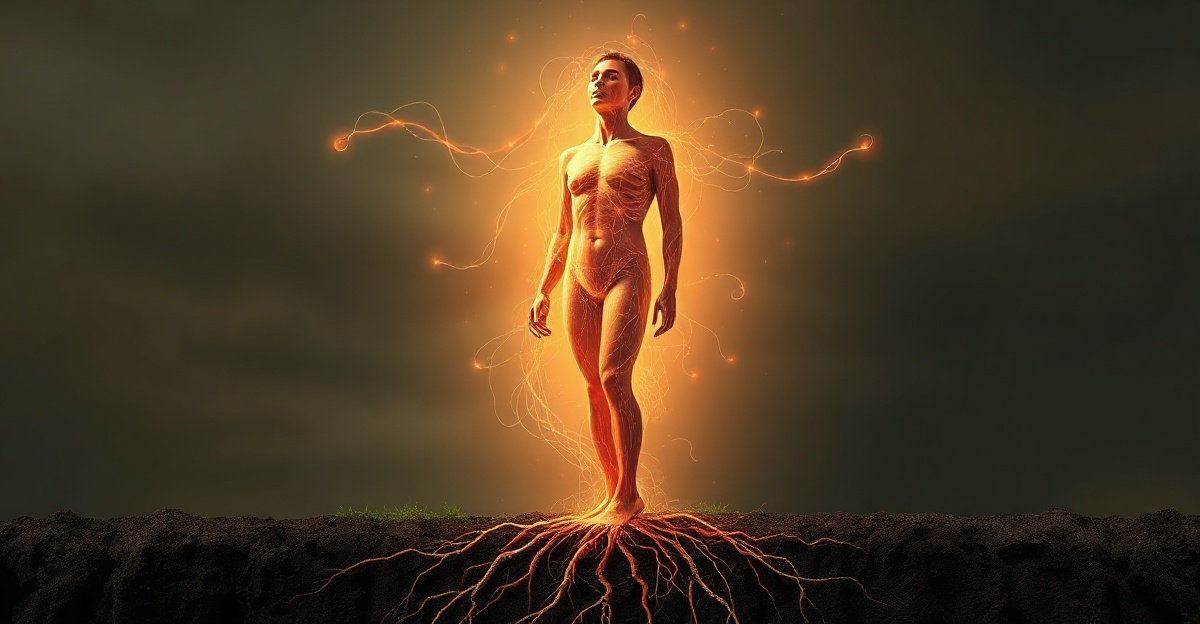
One of the most common patterns in trauma is dissociation from the body. If your body wasn't safe, leaving it was a survival strategy. You learned to live in your head, to think your way through pain, to intellectualize your experience.
But here's the truth: you cannot heal what you're not in relationship with. And you cannot be in relationship with your body if you're dissociated from it.
Why Dissociation Develops
Dissociation is a brilliant protective mechanism. When your body is in pain or danger, disconnecting from it reduces the overwhelming sensations. You preserve your psyche by stepping outside your body.
This allows you to survive unbearable experiences. But it comes at a cost: you become exiled from your own body. You don't know what you're feeling. You can't access your body's wisdom. You live in a kind of floating, ungrounded state.
The Problem with Staying Dissociated
You can engage in talk therapy, read self-help books, understand your trauma intellectually—and still not heal, because the trauma is stored in your body.
Your nervous system holds the memory. Your muscles hold tension from bracing. Your organs hold the physiological response to danger.
Healing that stays only cognitive doesn't touch the embodied trauma. Your body still believes it's in danger, even if your mind intellectually knows you're safe.
Embodiment as Healing
Embodiment means coming back into relationship with your body. It means inhabiting your physical form. It means trusting your body's signals and wisdom.
This doesn't mean forcing yourself to feel. It means gradually, gently returning to your body through:
Somatic awareness - Simply noticing sensations without trying to change them. "I notice tension in my shoulders. I notice warmth in my chest. I notice numbness in my legs."
Breathwork - Your breath is the bridge between conscious and unconscious. Conscious breathing naturally brings you back into your body.
Gentle movement - Walking, stretching, yoga, dance—movement done with awareness reconnects you to your body.
Touch and sensation - Feeling textures, temperatures, the pressure of your body in a chair. Sensory awareness returns you to presence.
Grounding practices - Feet on ground, hands in water, body in movement. These anchor you in your physical existence.
The Nervous System Heals Through the Body
Here's what's crucial: your nervous system doesn't heal through thinking. It heals through somatic experience.
When you're regulated in your body (feeling calm, grounded, safe), your nervous system learns: "It's safe to be here. It's safe to be in this body."
You can't think your way into this. You have to feel your way into it.
From Dissociation to Integration
As you gradually return to your body, something profound shifts. You have access to more of yourself. Your emotions become accessible (not overwhelming, just available). Your intuition returns. Your capacity for joy, pleasure, and connection increases.
Your body becomes a home instead of a prison.
The Courage Required
Returning to your body after trauma takes courage. Your dissociation has protected you. Coming back means feeling the sensations and emotions you've been numbing.
But on the other side of that courage is wholeness. You become capable of genuine presence, authentic connection, and real embodied life.
Your body is not your enemy. It's your home. Healing means coming back to that home and learning to live here fully.