Trauma Across Cultures: Global Perspectives and Culturally Sensitive Care
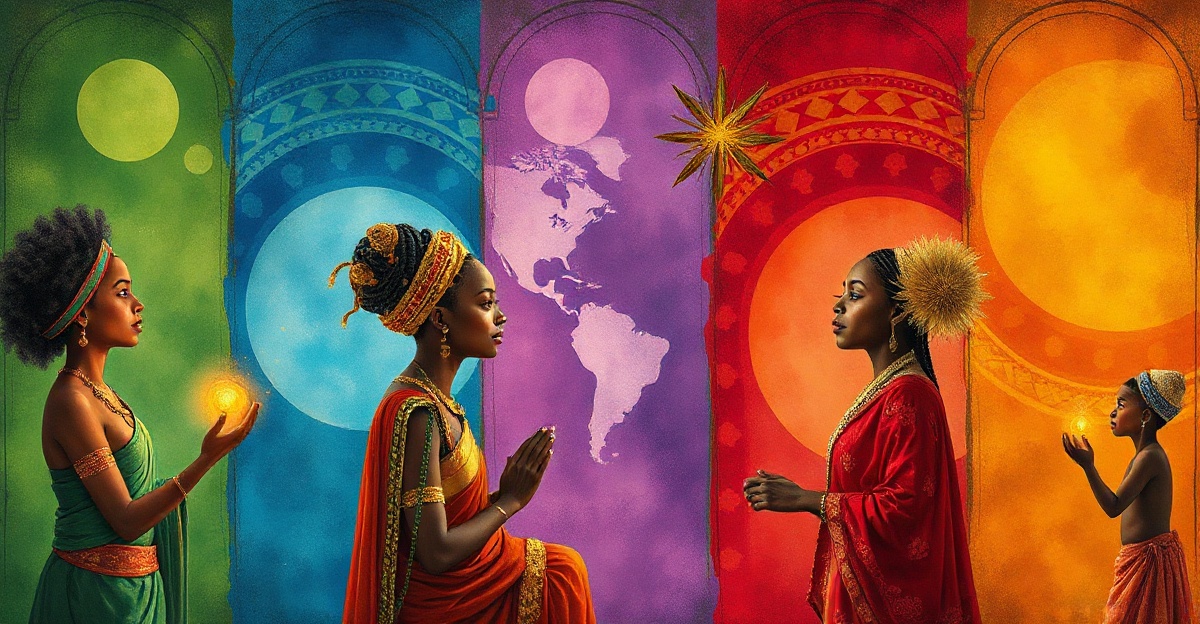
Trauma is a universal human experience, but how it's understood, what it means, and how it's healed varies dramatically across cultures.
Western Clinical Understanding
In Western psychology and psychiatry:
- Trauma is typically understood as individual psychological injury - PTSD is defined by specific symptoms - Treatment focuses on individual therapy, often cognitive or exposure-based - Symptoms are pathologized ("disorder") - Mental health is somewhat separated from physical health and spirituality - Individual healing is the goal
This model has strengths—it's researched and effective for many. But it's not universal.
Collectivist Approaches
In many collectivist cultures (parts of Africa, Asia, Latin America):
- Trauma is understood as affecting the whole community or family, not just the individual - Healing involves collective rituals and community participation - Ancestors and spiritual dimensions are central - The family or community is the primary unit, not the individual - Shame and dishonor have community dimensions - Healing might involve reintegration into community
Example: In many African cultures, healing from trauma involves community acknowledgment, ritual, and reintegration, not just individual therapy.
Spiritual and Traditional Approaches
Many indigenous and spiritual traditions understand trauma differently:
- Trauma as spiritual wounding or soul loss - Healing involving spiritual practices, shamanic work, or energy medicine - Integration with nature and natural cycles - Understanding trauma within karma or spiritual frameworks - Healers being spiritual or community leaders, not just medical professionals - Prevention through spiritual practices and community connection
Religious Frameworks
Many religious traditions have their own trauma frameworks:
- Christianity: Trauma as spiritual attack or testing; healing through faith and community - Islam: Trust in Allah (tawakkul) combined with seeking help and following Islamic practices - Buddhism: Trauma as part of suffering; healing through dharma practice and compassion - Hinduism: Trauma as karmic; healing through dharma, yoga, and spiritual practice - Indigenous spiritualities: Trauma as disconnection from land, ancestors, or spiritual purpose
Cultural Dimensions of Trauma
Different cultures emphasize different aspects:
Honor and shame - In shame-based cultures, trauma affects family honor. The approach might focus on restoring honor rather than just individual healing.
Duty and obligation - In cultures emphasizing duty, trauma might be understood through the lens of failed obligations or the need to fulfill roles despite trauma.
Family hierarchy - In hierarchical cultures, how trauma is spoken about and healed might depend on family structure and relationships.
Fatalism vs. agency - Some cultures emphasize acceptance and spiritual surrender; others emphasize active healing and agency.
Mind-body-spirit integration - Many cultures don't separate these; healing naturally integrates physical, emotional, and spiritual dimensions.
The Problem With Imposing Western Models
When Western mental health approaches are applied universally without cultural adaptation:
- People feel misunderstood - Healing methods that conflict with cultural values are rejected - Important dimensions (spirituality, community, family, ancestors) are ignored - The model itself becomes a form of cultural colonialism - People from non-Western cultures are pathologized for culturally normal responses
Culturally Sensitive Care
Good trauma treatment is culturally sensitive:
It honors the client's cultural context - Understanding trauma through the client's cultural lens, not imposing a Western one.
It includes relevant community and family - Even in Western settings, involving appropriate community/family members.
It incorporates cultural healing practices - Whether that's prayer, ritual, herbal medicine, or community processes.
It respects spiritual dimensions - Not imposing secularism but respecting religious/spiritual meaning-making.
It acknowledges historical trauma - Understanding individual trauma in context of community trauma (colonization, genocide, slavery, oppression).
It addresses systemic factors - Not treating trauma as purely individual when it's embedded in systemic oppression or discrimination.
It's collaborative - The client and healer co-create treatment, not the healer imposing a model.
Global Trauma Understanding
Many contemporary healers and researchers are integrating understanding:
- Recognizing PTSD symptoms while also understanding trauma through cultural frameworks - Using both Western therapy and traditional healing practices - Addressing both individual and collective trauma - Integrating spiritual and psychological dimensions - Creating space for diverse healing paths
Seeking Help Across Cultures
If you're seeking trauma support in a different cultural context:
Find culturally matched providers when possible - Someone from your culture or trained in cultural humility.
Be clear about your values - "I want my healing to include spiritual practices" or "Family involvement is important to me."
Bring your community - When possible, include family, spiritual leaders, or community in your healing.
Adapt Western approaches - If working with Western therapists, discuss how to make it culturally relevant.
Trust your instincts - If an approach doesn't feel right culturally, it probably isn't.
Addressing Historical and Collective Trauma
Much trauma crosses cultures through:
- Colonization and its ongoing effects - Genocide and ethnic cleansing - Slavery and its transgenerational impact - Refugee and displacement trauma - Systemic oppression and discrimination - War and violence
Healing from these collective traumas requires: - Community acknowledgment and witness - Collective rituals and mourning - Addressing systemic factors (not just individual healing) - Reparations and justice - Rebuilding cultural identity and connection
Individual therapy alone is insufficient for collective trauma.
The Integration
The future of trauma care integrates:
- Western scientific understanding with traditional wisdom - Individual healing with collective healing - Psychological work with spiritual work - Addressing personal trauma and systemic trauma - Respecting diverse cultural approaches - Creating accessible, culturally relevant care globally
Trauma healing doesn't look the same everywhere. It shouldn't. Effective care honors the person's cultural, spiritual, and community context.
Your healing path should reflect your values and culture, not just Western psychology.
Don't Miss Future Articles
Subscribe to The Trauma Healer RSS feed to receive new insights on trauma healing, nervous system regulation, and post-traumatic growth.
Subscribe to RSSWant Personalized Support?
Education is powerful, but one-on-one coaching takes your healing to the next level. Jess can help you apply these concepts to your unique experience.
Book a Discovery Call